

 Flat 1


25+ Project Management Presentation Topics for 2026
Project management presentation topics span everything it takes to deliver work successfully — planning methods, team collaboration, risk management, leadership, and the trends reshaping how projects get done. Whether you’re an experienced project manager refining your craft or a newcomer building foundations, presenting on these subjects sharpens your own understanding while giving your audience insights they can apply immediately.
This guide covers 25+ topics organized by theme: the twelve core PM disciplines, IT project management angles, topics for management students, and quick specialized lists for risk, change, quality, and financial management presentations — plus the templates to build each one fast.
Quick Answer
The best project management presentation topics include quality control, ethics, Agile project management, communication, risk management, strategic alignment, change management, resource management, leadership, stakeholder management, project scheduling, and conflict resolution. Choose based on your audience: executives respond to strategic alignment and risk; delivery teams to Agile, scheduling, and communication; students to foundations with real project examples.
What Is Project Management and Why Does It Matter?
Project management is the discipline of planning, organizing, and overseeing tasks and resources to achieve specific objectives within a defined timeframe. It follows a systematic approach — initiating, planning, executing, monitoring, and closing — so that projects meet their goals while staying inside constraints of time, budget, and scope.
Efficient project management matters because it:
- Keeps projects aligned with organizational goals and objectives
- Allocates resources where they produce the most value
- Identifies and mitigates risks before they damage outcomes.
- Drives on-time completion through disciplined scheduling and monitoring — tracked against the KPI metrics project managers cannot ignore
- Controls budgets and strengthens financial accountability
- Holds deliverables to quality standards and stakeholder expectations
12 Core Project Management Presentation Topics
These twelve disciplines are the backbone of the profession — each one works as a standalone presentation for team training, PM community sessions, or leadership briefings.
1. Quality Control
A quality control system is crucial for any business producing goods or delivering services. It raises customer satisfaction by consistently delivering high standards, cuts resource waste, and lifts productivity and earnings. In a presentation, walk through continuous monitoring, evaluation, and improvement of project activities, and show how early quality assurance catches defects before they compound.
2. Ethics
Ethics in project management covers the principles that guide how project managers and teams behave: honesty, integrity, transparency, and fairness across every project phase. Employee trust and business performance correlate directly with ethical conduct — a presentation here lands especially well in leadership development programs.
3. Agile Project Management
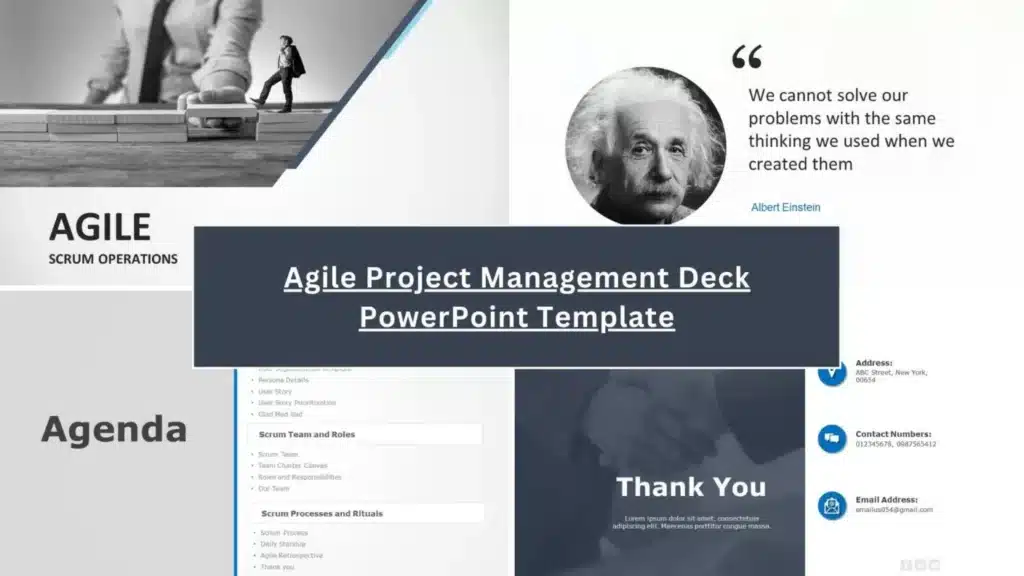
Agile emphasizes cooperation and adaptability across the project lifecycle: iterative development cycles, regular reevaluation, and continuous feedback. It lets teams adjust to changing requirements sprint by sprint instead of resisting change. Strong presentation angles: the five most popular Agile frameworks, and the trade-offs covered in Agile vs. traditional project management.
4. Communication
Effective communication is the skill every other PM discipline depends on. A presentation on the seven C’s of communication — or on stakeholder-specific communication styles — gives teams a framework they can apply the same day.
5. Risk Management
Projects rarely go exactly to plan, which is why project managers build risk management plans before they’re needed. Present the full cycle: identifying possible events, scoring likelihood and impact, and planning responses — with a RAID log as the working artefact.
6. Strategic Alignment
Strategic alignment connects individual projects to company objectives like revenue growth and customer retention. A presentation here shows how alignment integrates management systems and resource allocation, and why initiatives that drift from business-wide strategy get cancelled — useful for making the case to executive audiences.
7. Change Management
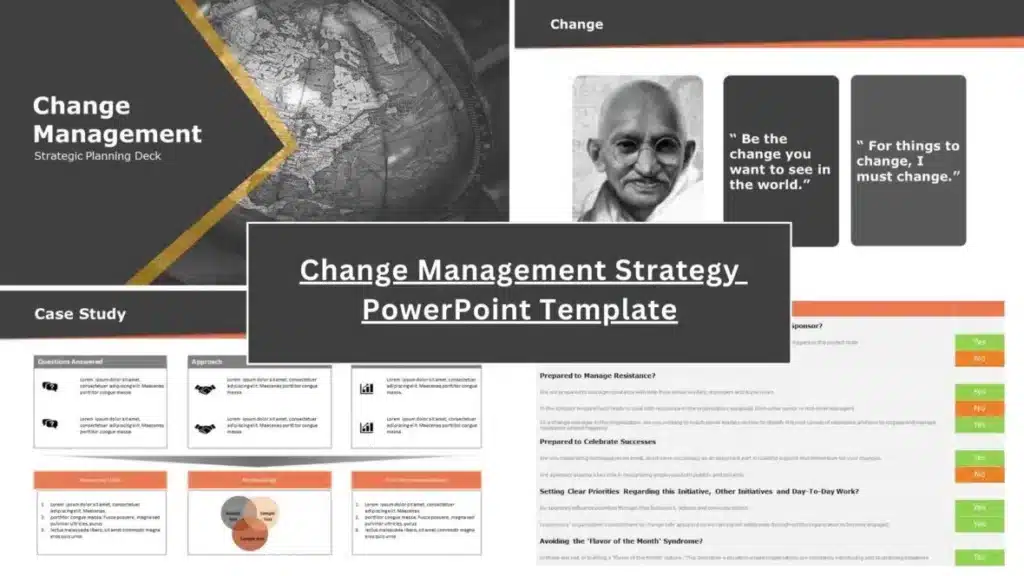
Change management is the systematic approach to handling shifts in budgets, schedules, expectations, resources, and team structure. Present the planning-implementing-controlling cycle and the communication patterns that bring sceptical teams along with a transition.
8. Resource Management
Resource management is the planning, allocation, and use of everything a project consumes: people, equipment, materials, time, and budget. Presentations that quantify the cost of resource conflicts — double-booked specialists, idle equipment, budget crowd-out — tend to get leadership attention fastest.
9. Leadership
There’s no one-size-fits-all leadership style — different project situations demand different approaches. A strong presentation contrasts styles against scenarios (crisis vs. steady-state, senior team vs. new hires) and closes with how leaders solicit feedback on their own performance.
10. Stakeholder Management
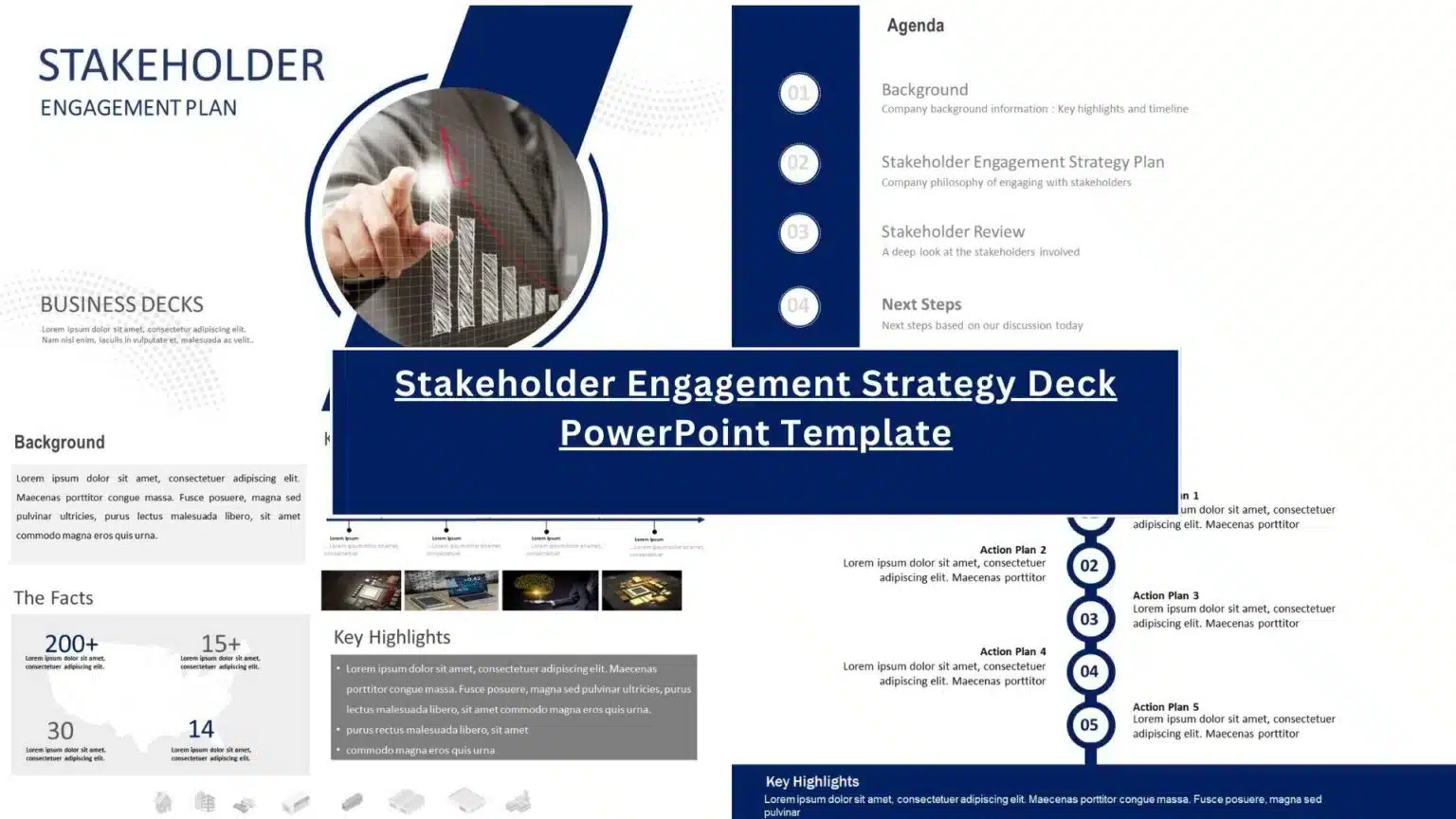
Powerful stakeholders can decide a project’s fate, which makes managing their interests a discipline of its own. Present how to map stakeholders by influence and interest, tailor engagement to each quadrant, and keep expectations synchronized as demands change. [Keep existing link to the stakeholder-engagement template tag.] For the meeting itself, our guide on how to introduce project team members in a presentation covers the human side.
11. Project Scheduling
Project scheduling is the planning and organization of tasks within a defined timeline: allocating resources systematically, identifying dependencies, and setting realistic timeframes for each phase. A well-crafted schedule works as a roadmap — it guides the team through execution, keeps milestones on track, helps managers anticipate delays, and communicates realistic expectations to stakeholders. For the visual formats that make schedules presentable, see how to create a project timeline.
12. Conflict Resolution
Conflict resolution shapes team dynamics and project outcomes, and each strategy has a cost. Avoidance postpones issues rather than solving them; competing wins the point but disregards alternatives; accommodating keeps the peace without necessarily reaching a good answer; compromising splits the difference but may satisfy no one fully. Collaborative resolution — combining cooperation with assertiveness to build shared solutions — is the approach most project managers should present as the default, with the others as situational tools.
IT Project Management Presentation Topics
IT projects add their own presentation angles — technical debt, system migrations, and delivery models that differ from physical-world projects. Strong topics:
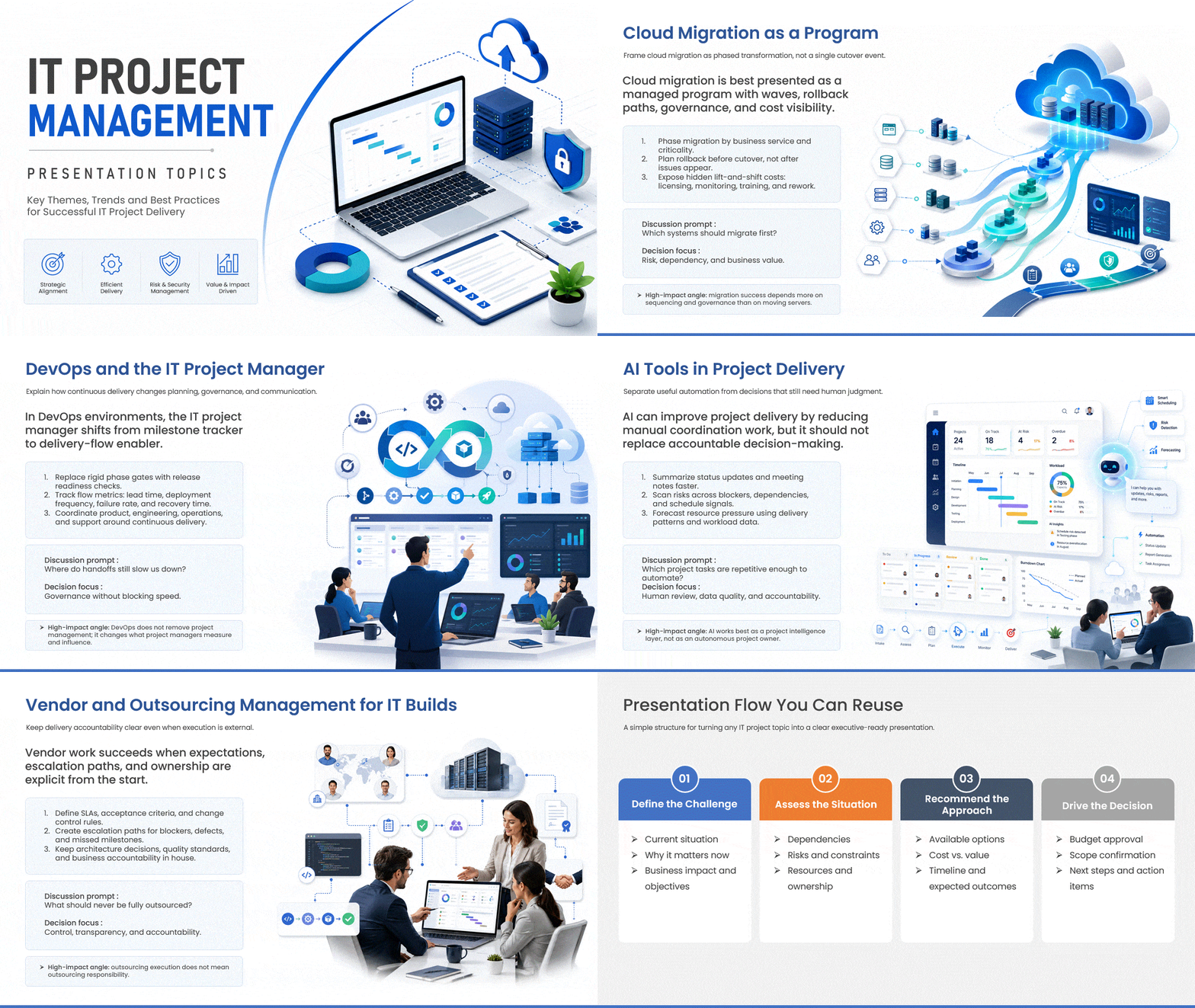
- Cloud migration as a program, not a project — phasing, rollback planning, and the hidden costs of lift-and-shift.
- Managing technical debt inside delivery schedules — how to budget refactoring without stalling the roadmap.
- DevOps and the changing role of the IT project manager — when continuous delivery replaces milestone-based releases.
- AI tools in project delivery — practical uses today: status summarization, risk scanning, resource forecasting — and where human judgment stays essential.
- Cybersecurity as a project constraint — building security reviews into the schedule instead of bolting them on.
- Vendor and outsourcing management for IT builds — SLAs, escalation paths, and keeping accountability in-house.
Project Management Topics for Students
For management students, the strongest presentation topics pair a framework with a real project the audience recognizes:
- Post-mortem of a famous project failure — what the timeline and decisions actually show.
- Agile vs. waterfall on one real product — apply both models to the same case and compare.
- Building a project charter from scratch — walk through scope, roles, and success criteria for a campus project.
- The critical path method explained with a simple project — planning an event works well.
- How project managers use KPIs — pick three metrics and show what decisions they drive.
- Careers in project management — certifications, entry paths, and what the first year looks like.
Specialized Management Topics for Presentation
If your presentation needs a tighter lens, these focused lists cover the sub-domains audiences ask for most:
Risk management topics for presentation
Risk identification workshops that actually work; scoring and prioritizing with a probability-impact matrix; RAID logs as living documents; risk appetite vs. risk tolerance for decision-makers.
Change management topics for presentation
Communication plans for unpopular changes; measuring adoption after rollout; change fatigue and how to pace initiatives; the sponsor’s role in making change stick.
Quality topics for presentation
Cost of poor quality in real numbers; building quality gates into phase transitions; continuous improvement loops; quality assurance vs. quality control for mixed audiences.
Financial management topics for presentation
Earned value management in plain language; budget contingency — how much and who controls it; forecasting cost at completion; making trade-offs visible when budgets tighten.
Looking for broader business-side subjects — strategy, HR, marketing, or business management topics for presentation? Our business presentation topics guide covers 60+ of them organized by audience.
Best PowerPoint Themes for Project Managers
Crafting effective presentations is a core part of the PM role, but visual design isn’t — which is what makes pre-designed themes valuable.
1. Business Case Presentation Theme:
- Tailored for presenting project ideas to secure approval and funding.
- Incorporates vibrant colors, effective graphics, and storytelling principles to enhance impact.

2. Project Planning Presentation Theme:
- Critical for defining project scope, objectives, team structure, and timeline.
- Carefully designed with graphics and charts to communicate research and data in an engaging manner.

3. Project Kickoff Presentation Theme:
- Utilized to generate enthusiasm, convey project vision and goals, and establish team credibility.
- Adheres to industry standards, featuring dedicated slides for team roster, schedule, and project charter.

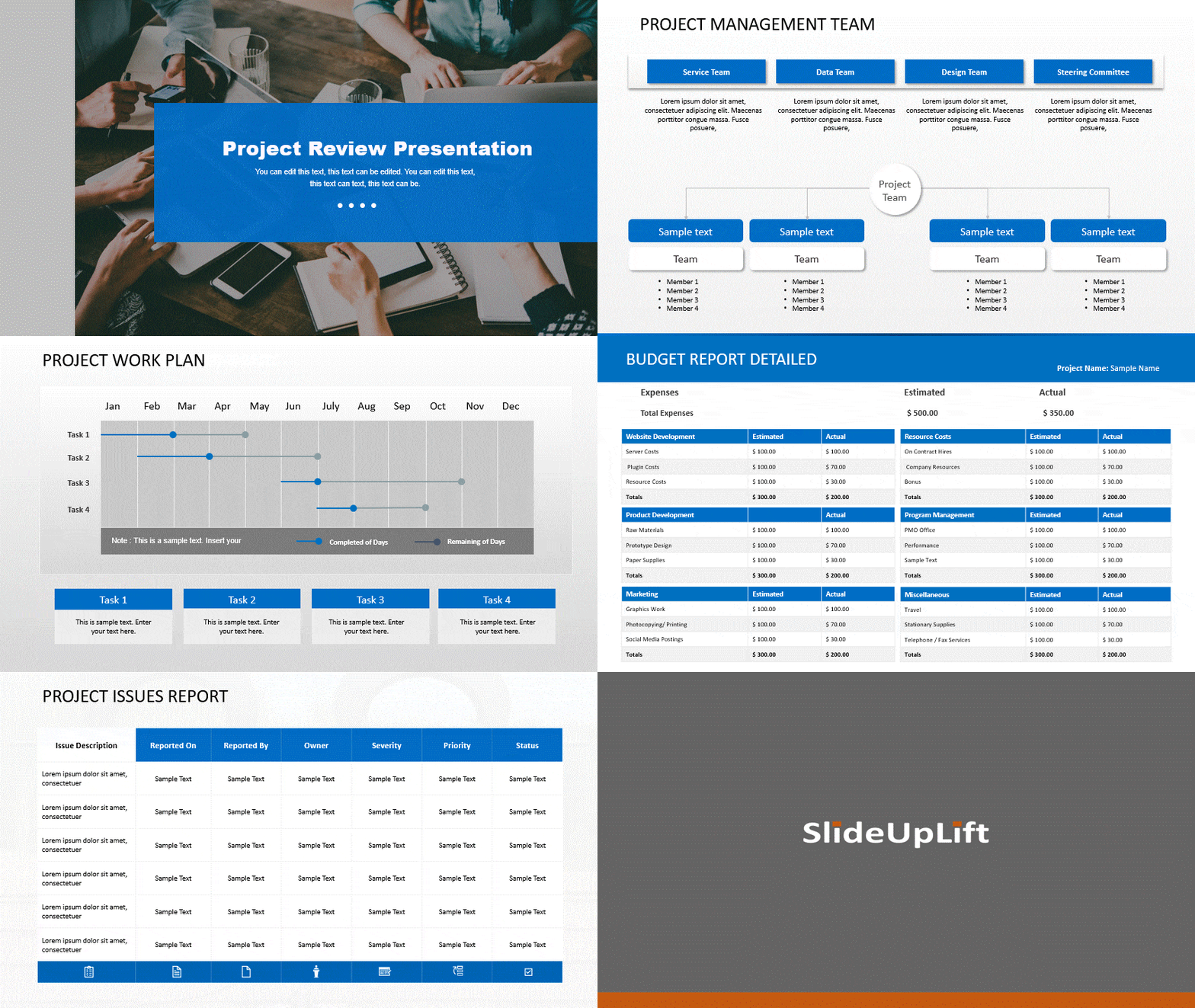
4. Project Review Presentation Theme:
- Conducted at the end of each project phase to assess success and identify issues.
- Consolidates information with risk analysis, financial status, and creative graphics for effective communication.
5. Project Closure Presentation Theme:
- Used to outline the entire project process, highlighting successes, failures, and deliverables.
- Includes an executive summary, business impact, RAG status of deliverables, and cost breakdowns.

Tips to Introduce New Project Management Topics
The following tips will help you make the most of your meetings, conversations, and planning sessions:
1. Learn about your teammates
Being aware of the advantages and disadvantages of each team member is usually beneficial for introducing new project topics. It can assist you in selecting the best person for each assignment and in understanding team members’ qualifications. Talk to each team member separately and note their unique qualities to conduct a thorough assessment. This could assist you in assigning tasks more effectively.
2. Stay in constant communication
Project presentation topics might still alter no matter how carefully you plan and assign duties. Establishing simple communication channels is crucial for keeping team members informed and giving them advance notice of changes. In addition to helping you control the project’s flow, communication gives a team constructive criticism on their work. When a proposal needs sign-off from stakeholders, a well-structured project proposal presentation keeps that conversation focused and on track.
3. Recognize your objective
Comprehending the requirements to assign jobs and ensure project success is critical. This can assist you in determining realistic goals for every team member and tracking their development throughout the project. It can also assist you in allocating resources wisely and creating a realistic schedule. For projects that start with formal documentation, knowing what a project charter is can help you lock in objectives before work begins.
4. Visualize the final result
Setting specific goals for yourself while introducing new project management topics will yield better results. Maintaining a laser-like focus on your objective will help you stay focused and establish a structured work environment. Additionally, it can assist you in determining which tasks are not significantly contributing to the project’s goal and make the required adjustments. Learning how to create a project presentation that gets stakeholder approval can make this final vision easier to communicate and sign off on.
5. Identify risks
An essential component of introducing any new project management topics is risk management. Determine every significant risk and its likelihood of materializing during the planning stage. By doing this, you and your team can rapidly reduce the unfavorable effects of project risks.
6. Request Feedback
Selecting which subjects to concentrate on can be a process that differs for each project manager. Seek input from teams, clients, and other managers when implementing a new concept or approach in your planning or collaboration meetings. You can focus your efforts on worthwhile issues by assessing your efficacy at achieving shared goals and learning how current techniques function.
Conclusion
Project management is the backbone of successful execution across every sector, and the topics above — from stakeholder management to Agile methods to AI-assisted delivery — give you 25+ ready presentation subjects for any audience. Pick the one that matches your room, pair it with a purpose-built template, and spend your preparation time on the story instead of the slides.
FAQs
-
What are good project management topics for a presentation?
The strongest project management presentation topics are quality control, Agile methodology, risk management, stakeholder management, project scheduling, leadership, and conflict resolution — chosen to match your audience’s role and current challenges.
-
What is the role of a project manager in Agile projects?
In Agile projects, the project manager serves as a facilitator: removing obstacles, protecting the team’s focus, and ensuring the team has what it needs to deliver each sprint.
-
How can project managers effectively manage stakeholder expectations?
Through consistent communication: regular progress updates, involving stakeholders in decisions where appropriate, and addressing concerns promptly before they escalate.
-
What are some engaging project management presentation ideas?
Real-world case studies, interactive elements like quizzes or live polls, and visuals such as timelines and dashboards that turn abstract processes into something the audience can see.
-
What makes a project management presentation visually effective?
A consistent color scheme, legible fonts, purposeful icons and charts, and a clean layout — one idea per slide, with the data doing the talking.
Table Of Content


Related posts from the same category

17 Mar, 2026 | SlideUpLift
How to Create a Project Presentation That Gets Stakeholder Approval
In any business environment, the ability to create a project presentation that actually moves people — securing approvals, aligning teams, and building client confidence — is one of the most

18 Dec, 2023 | SlideUpLift
Project Proposal Presentation: How to Make One That Gets Approved
Quick Answer: A project proposal presentation is a slide deck that pitches a project to decision-makers — investors, management, or stakeholders — to win approval, funding, or resources. It covers

20 Dec, 2023 | SlideUpLift
How to Introduce Project Members In a Team Presentation?
The introduction of a project team in a team presentation is not only a formality but a deliberate undertaking with significant consequences in the ever-changing field of project management. It

13 Oct, 2022 | SlideUpLift
Agile vs Traditional Project Management: Key Differences and Which Is Better
Agile project management is an iterative, flexible approach that delivers work in short cycles and adapts to change as it goes. Traditional (Waterfall) project management is a linear, plan-driven approach
12 Sep, 2025 | SlideUpLift
What is KPI? Step-by-Step Guide with KPIs Examples That Work
Is it hard for you to know if your business is getting to the level it should be? That's where key performance indicators (KPIs) come into play. KPIs indicate how

8 Jul, 2021 | SlideUpLift
Avoid Making These 7 Project Management Mistakes
Making mistakes is not a bad thing; tons of lessons can be learned from them. And in the field of Project Management, lessons abound. Projects, unfortunately, seldom go smoothly. There

15 Apr, 2021 | SlideUpLift
5 Most Popular Agile Project Management Frameworks
Agile frameworks strongly emphasize collaboration and open communication within project teams. Regular events such as daily meetings, sprint planning, and retrospective sessions facilitate ongoing discussions and ensure everyone is on
10 Oct, 2025 | SlideUpLift
What Is A Project Charter? Definition, Examples & Best Practices
Launching a project without adequate planning can result in confusion, delays, and misaligned expectations. A project charter is a key document in the project documentation process that lays the groundwork

24 Apr, 2024 | SlideUpLift
How to Create a Project Timeline: Steps, Types & Examples
Quick Answer A project timeline is a visual schedule that lays out a project’s phases, tasks, milestones, and deadlines in chronological order, so your team can see what’s due and
18 May, 2021 | SlideUpLift
The 5 Essential PowerPoint Themes For Project Managers
As a project manager, making presentations is an integral part of your job. Making a good presentation requires many elements to be successful, with good presentation design being one of