

 Flat 1


Project Kickoff Meeting: Agenda, Checklist & Best Practices
A project kickoff meeting is the first formal meeting held after a project is approved. Its purpose is to align stakeholders, clarify objectives, confirm roles, and set expectations before execution begins.
When run well, a kickoff meeting creates shared understanding, reduces confusion, and sets the tone for how the project will be executed. When run poorly, it leads to misalignment, rework, and delays—often right from the start. This guide explains what a project kickoff meeting is, why it matters, who should attend, and how to run one effectively.
What Is a Project Kickoff Meeting?
A project kickoff meeting is a structured meeting held at the start of a project to bring all key stakeholders and team members onto the same page.
It typically takes place after the project initiation phase and formal approval, but before detailed execution begins.
The project management kickoff meeting ensures that everyone understands:
- The project’s objectives
- Scope and boundaries
- Roles and responsibilities
- Timelines and milestones
- Next steps
Purpose of a Project Management Kickoff Meeting
The primary goal of a kickoff meeting is alignment. Specifically, it helps teams:
- Establish a shared understanding of project goals: Everyone walks away knowing why the project exists, what success looks like, and how their work contributes to the bigger picture. This prevents misaligned expectations later.
- Clarify roles, ownership, and decision-making authority: The team clearly understands who is responsible for what, who owns key decisions, and who needs to be consulted. This avoids confusion, delays, and finger-pointing during execution.
- Confirm scope and key deliverables: The kickoff sets clear boundaries around what is included—and what is not. It aligns everyone on timelines, outputs, and priorities so the project doesn’t slowly drift off track.
- Identify risks, dependencies, and assumptions: Potential challenges are surfaced early, along with things the project depends on to move forward. Calling these out upfront helps the team plan proactively instead of reacting later.
- Build momentum and accountability from day one: A strong kickoff energizes the team, sets expectations, and creates a sense of ownership. People leave knowing their next steps and feeling responsible for outcomes.
A kickoff meeting is as much about communication and alignment as it is about information sharing.
Who Should Attend a Project Kickoff Meeting?
Attendees depend on project size and complexity, but typically include:
| Role | Why They Should Attend | What They Contribute |
| Project Sponsor / Business Owner | Provides strategic direction and ensures the project aligns with business goals | Confirms priorities, success criteria, and approves major decisions |
| Project Manager | Owns planning, coordination, and delivery of the project | Sets expectations, timelines, communication flow, and next steps |
| Core Project Team Members | Execute the actual project work | Understand goals, responsibilities, and how their tasks connect |
| Key Functional or Technical Leads | Represent critical expertise areas (tech, design, operations, etc.) | Validate feasibility, identify risks, and align technical approach |
| External Partners or Vendors (if applicable) | Support the delivery of specific components or services | Clarify scope, dependencies, timelines, and collaboration rules |
The goal is to include everyone who will play a meaningful role in execution or decision-making—not just observers.
Project Kickoff Meeting Agenda (Step-by-Step)
A clear agenda keeps the kickoff focused, aligned, and action-oriented.
- Introductions and Context
- Introduce key participants and their roles
- Share a brief background on why the project was approved
- Align on the business problem or opportunity being addressed
- Outcome: Everyone understands who’s involved and why the project exists
- Project Objectives and Success Criteria
- Define what success looks like from a business and delivery perspective
- Align on measurable outcomes and key performance indicators
- Clarify priorities and non-negotiables
- Outcome: Shared definition of success and how it will be measured
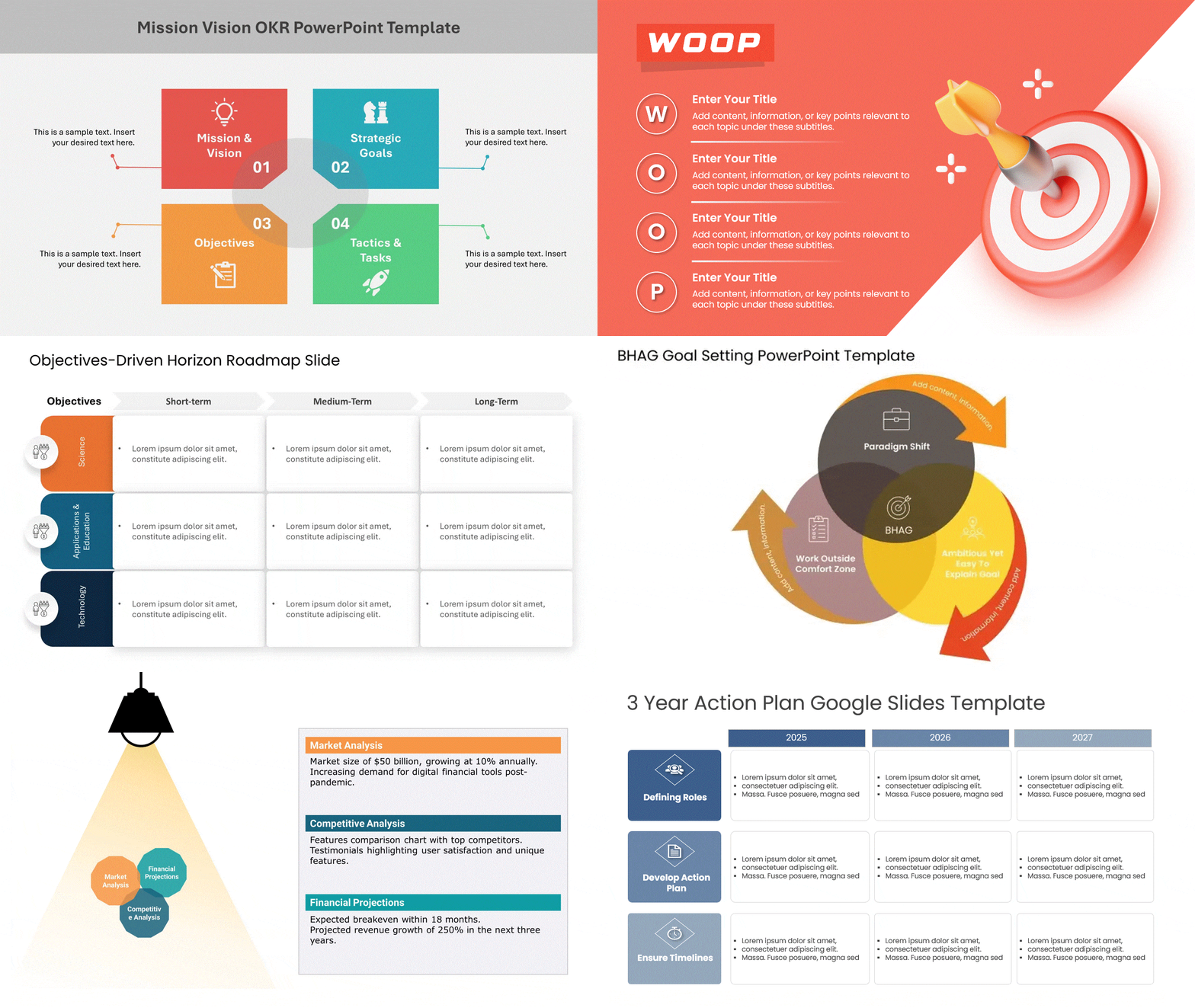
- Scope Overview
- Review what is included in the project scope
- Clearly state what is explicitly out of scope
- Confirm assumptions tied to scope boundaries
- Outcome: Prevents scope creep and sets clear expectations from day one
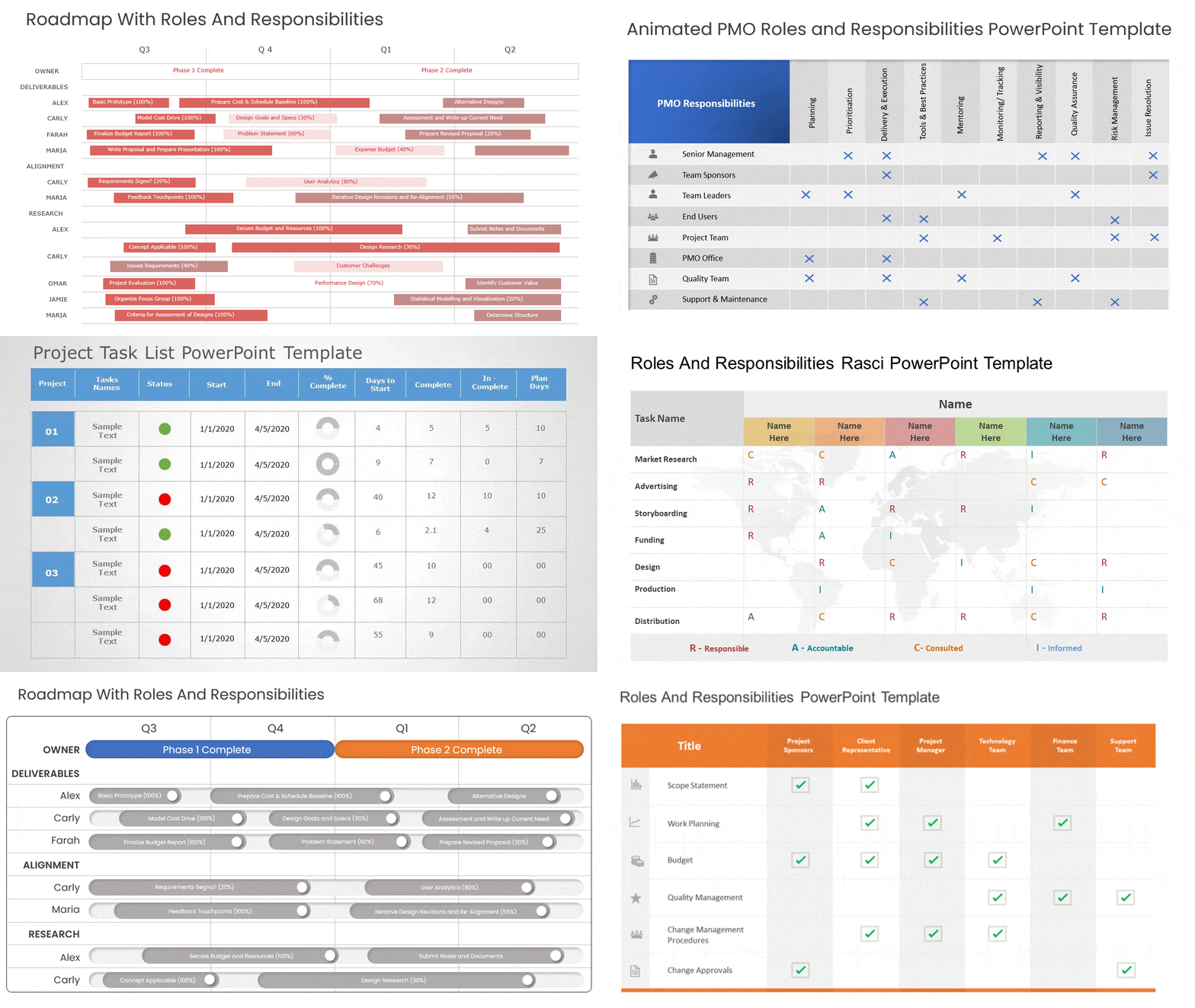
- Roles and Responsibilities
- Define ownership for deliverables and key activities
- Clarify decision-making authority and escalation paths
- Align on collaboration and communication expectations
- Outcome: Clear accountability and faster decision-making
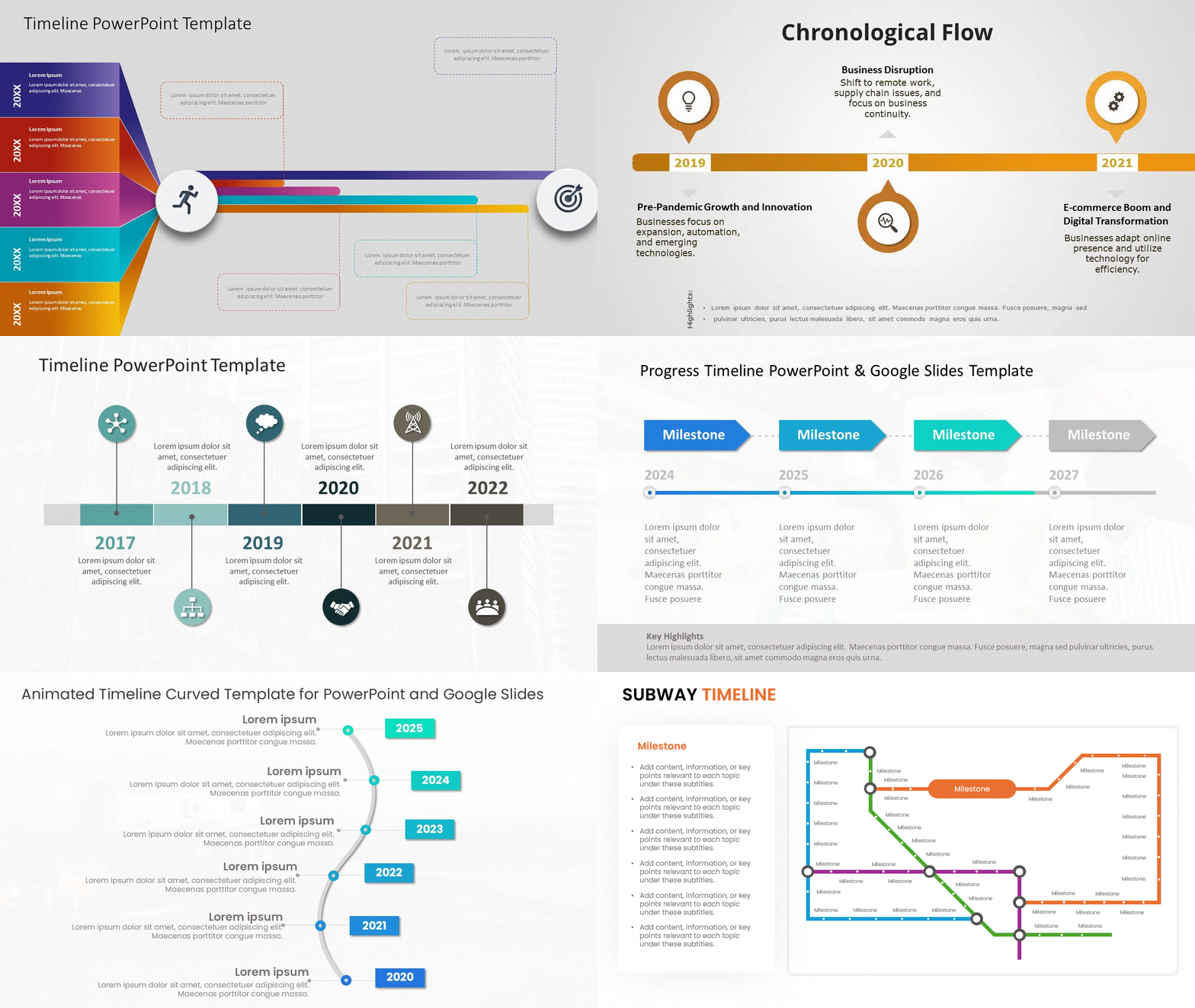
- High-Level Timeline and Milestones
- Review major phases, milestones, and target dates
- Identify key dependencies and constraints
- Highlight critical path items
- Outcome: Alignment on timelines and realistic delivery expectations
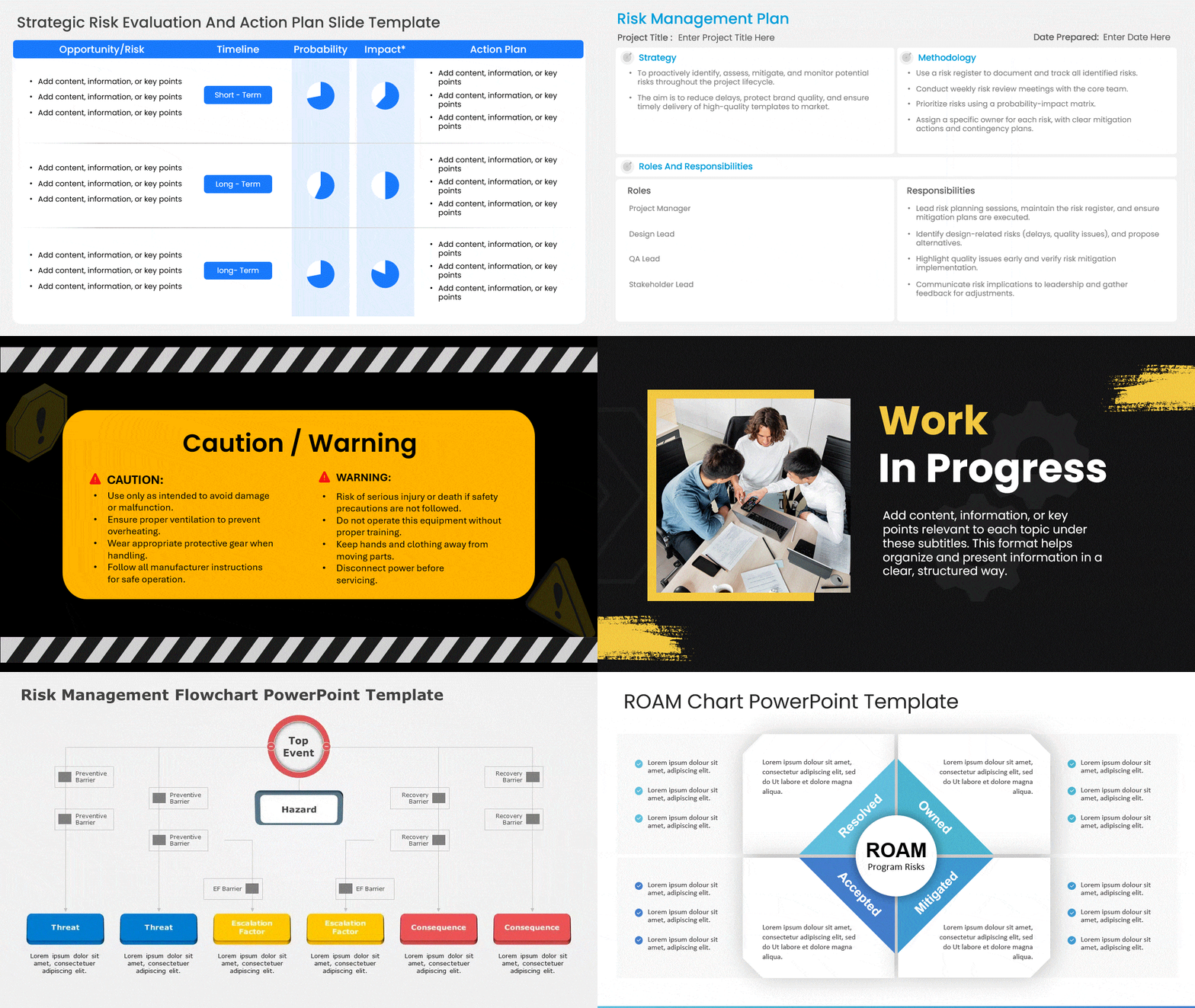
- Risks, Assumptions, and Dependencies
- Identify known risks and potential challenges
- Validate key assumptions that could impact delivery
- Call out external or cross-team dependencies
- Outcome: Early risk awareness and proactive planning
- Next Steps and Action Items
- Confirm immediate next actions
- Assign owners and deadlines
- Align on next check-in or status cadence
- Outcome: Clear momentum and accountability after the meeting
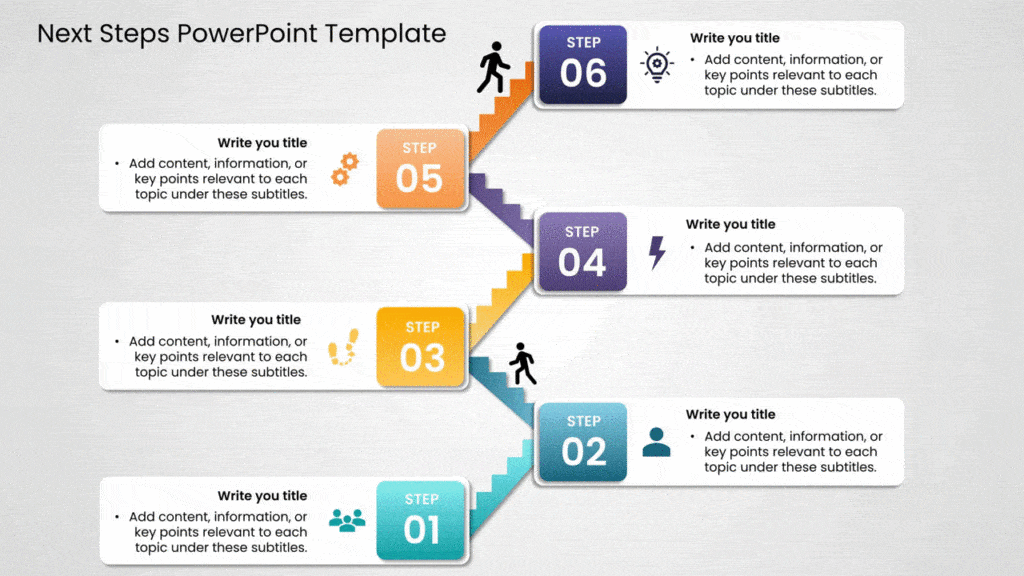
A strong agenda for project kickoff meeting sets the tone for the entire project—driving clarity, ownership, and alignment before execution begins.
Project Kickoff Meeting Checklist
Use this checklist to ensure nothing critical is missed:
| Checklist Item | What to Confirm During the Meeting | Why It Matters |
| Project objectives are clearly defined | Everyone understands the goals and success criteria | Ensures alignment on what success looks like |
| Scope boundaries are understood | What’s included and explicitly out of scope is agreed upon | Prevents scope creep and misaligned expectations |
| Roles and responsibilities are agreed upon | Ownership, decision authority, and escalation paths are clear | Avoids confusion and delays during execution |
| Communication channels are established | Tools, meeting cadence, and reporting structure are confirmed | Keeps stakeholders informed and aligned |
| Risks and dependencies are discussed | Known risks, assumptions, and dependencies are identified | Enables proactive planning and risk mitigation |
| Immediate next steps are assigned | Action items have clear owners and deadlines | Builds momentum and accountability after kickoff |
This checklist helps ensure the meeting results in clarity—not confusion.
Common Project Kickoff Meeting Mistakes
Even experienced teams make mistakes during kickoff meetings. Common issues include:
- Turning the meeting into a one-way presentation: When only one person speaks, real alignment is lost. Kickoffs should encourage discussion and questions.
- Inviting too many (or too few) stakeholders: Too many voices slow decisions; too few create gaps. The right mix keeps the meeting focused and effective.
- Skipping role clarity and ownership: Unclear ownership leads to confusion later. Everyone should know their responsibilities and decision authority.
- Overloading the meeting with unnecessary detail: Too much detail distracts from the big picture. The kickoff should focus on direction, not deep problem-solving.
- Failing to document outcomes and next steps: If actions aren’t written down, momentum fades. Clear notes and owners turn plans into progress.
A kickoff meeting should drive alignment—not just share information.
How a Kickoff Presentation Supports the Meeting
While the kickoff meeting is the event, teams often use a kickoff presentation to structure the discussion and guide the conversation.
A well-structured kickoff presentation helps:
- Keep the meeting focused
- Communicate key points clearly
- Ensure consistency across stakeholders
- Document decisions and alignment
Many teams rely on standardized kickoff presentation templates to save time and ensure nothing important is missed.

Final Thoughts
A successful kickoff starts with understanding the Purpose of a Project Kickoff Meeting clearly. Knowing Who Should Attend a Project Kickoff Meeting ensures the right voices are present. A well-structured Project Kickoff Meeting Agenda keeps discussions focused and productive.
Using a Project Kickoff Meeting Checklist helps teams avoid missed details and confusion. Avoiding Common Project Kickoff Meeting Mistakes protects alignment and momentum. Together, these steps set the foundation for confident execution and stronger project outcomes.
FAQs
-
What essential documents should be prepared for a project kickoff meeting?
- Project Charter – Defines objectives, scope, success criteria, and high-level authority
- Scope Statement – Clarifies what’s included and explicitly out of scope
- High-Level Project Plan – Shows phases, milestones, and key timelines
- Roles and Responsibilities (RACI) – Confirms ownership and accountability
- Risk and Assumptions Log – Highlights known risks, assumptions, and dependencies
- Communication Plan – Outlines channels, cadence, and reporting expectations
- Stakeholder List – Identifies key decision-makers and contributors.
These documents ensure clarity, alignment, and faster execution from day one.
-
How can I make my kickoff meeting more engaging for the team?
- Start with a clear purpose and why the project matters
- Encourage open discussion, not just presentations
- Keep slides simple and visual
- Ask questions and invite team input
- Clarify roles and next steps clearly
- End with action items and ownership
Engagement comes from involvement, not information overload.
-
Is there a simple checklist for organizing a kickoff meeting?
- Define project goals and success criteria
- Confirm scope and key deliverables
- Identify roles and decision owners
- Prepare a high-level timeline
- List risks, assumptions, and dependencies
- Set communication channels and cadence
- Assign next steps with owners and deadlines
A simple checklist like this keeps kickoff meetings focused and effective.
-
What is a kickoff meeting in project management, and why is it important?
A kickoff meeting is the first formal meeting where the project team aligns on goals, scope, roles, and expectations. It sets a shared understanding before execution begins.
Why is it important?
- Aligns stakeholders on objectives and success criteria
- Clarifies roles, responsibilities, and decision authority
- Sets clear scope and expectations early
- Builds momentum and accountability from day one
-
What should be included in a project kickoff meeting agenda?
- Introductions and project context
- Project objectives and success criteria
- Scope overview and boundaries
- Roles and responsibilities
- High-level timeline and milestones
- Risks, assumptions, and dependencies
- Next steps and action items
-
What should a project kickoff meeting invitation email include?
- Meeting purpose and project context
- Date, time, duration, and location or meeting link
- Agenda highlights
- Expected attendees and roles
- Preparation notes or documents
- Clear call to action (confirm attendance)
-
How to Conduct a Project Kickoff Meeting?
- Prepare clear goals, agenda, and key documents
- Introduce participants and set project context
- Align on objectives, scope, and success criteria
- Clarify roles, ownership, and decision paths
- Review timeline, risks, and dependencies
- Confirm next steps, owners, and deadlines
-
How to use mind maps in project kickoff meetings?
- Visualize project scope: Map main goals and deliverables for clarity
- Organize roles and responsibilities: Show who owns what in a visual hierarchy
- Identify risks and dependencies: Highlight challenges and interconnections quickly
- Plan milestones and timelines: Map phases and key dates for easy reference
- Encourage team collaboration: Let participants contribute ideas directly to the map
- Capture discussion points: Use it as a live record for follow-ups and decisions
-
Are there tips for running virtual project kickoff meetings?
- Use reliable video conferencing tools to avoid technical issues
- Share the agenda and documents in advance for better preparation
- Keep sessions concise and focused to maintain attention
- Encourage participation with polls, chat, and Q&A
- Use visuals and slides to simplify complex topics
- Record the meeting for absent team members and reference
- Assign clear next steps and owners to maintain accountability
-
How to Lead a Project Kickoff Meeting?
- Prepare thoroughly: Define agenda, objectives, and key documents
- Set the tone: Start with purpose, context, and expected outcomes
- Introduce participants: Clarify roles and responsibilities
- Facilitate discussion: Encourage questions, input, and alignment
- Review scope, timeline, and risks: Ensure clarity and agreement
- Confirm next steps: Assign action items with owners and deadlines
Follow up: Share meeting notes and decisions promptly
Table Of Content


Related posts from the same category

28 Sep, 2022 | SlideUpLift
Project Initiation Phase: Definition, Process & Key Documents
This blog explains the project initiation phase in project management and why it’s critical for defining goals, scope, and feasibility. It covers key initiation documents like the project charter and

10 Oct, 2025 | SlideUpLift
What Is A Project Charter? Definition, Examples & Best Practices
Launching a project without adequate planning can result in confusion, delays, and misaligned expectations. A project charter is a key document in the project documentation process that lays the groundwork

31 Oct, 2022 | SlideUpLift
The Savvy Project Manager Series: 5 Steps To Successful Project Planning
We encounter projects in our everyday lives. You might be building or contributing to a deliverable like a report, a website, a tool, or a product. These are real projects

8 Jul, 2021 | SlideUpLift
Avoid Making These 7 Project Management Mistakes
Making mistakes is not a bad thing; tons of lessons can be learned from them. And in the field of Project Management, lessons abound. Projects, unfortunately, seldom go smoothly. There
12 Sep, 2025 | SlideUpLift
What is KPI? Step-by-Step Guide with KPIs Examples That Work
Is it hard for you to know if your business is getting to the level it should be? That's where key performance indicators (KPIs) come into play. KPIs indicate how

5 Jul, 2022 | SlideUpLift
Communicate With Authority Using These Highly Effective Project Presentations
Project management is the application of resources, techniques, and talent to create the required deliverables. Yet, mere delivery is not sufficient- a key differentiator within Project Management is seamless communication

18 May, 2021 | SlideUpLift
The 5 Essential PowerPoint Themes For Project Managers
As a project manager, making presentations is an integral part of your job. Making a good presentation requires many elements to be successful, with good presentation design being one of

15 Apr, 2021 | SlideUpLift
5 Most Popular Agile Project Management Frameworks
Agile frameworks strongly emphasize collaboration and open communication within project teams. Regular events such as daily meetings, sprint planning, and retrospective sessions facilitate ongoing discussions and ensure everyone is on

13 Oct, 2022 | SlideUpLift
Agile vs Traditional Project Management: Key Differences and Which Is Better
Agile project management is an iterative, flexible approach that delivers work in short cycles and adapts to change as it goes. Traditional (Waterfall) project management is a linear, plan-driven approach

7 Sep, 2022 | SlideUpLift
The 5 Essential Google Slides Themes Every Project Manager Must Have
As a project manager, you are responsible for making presentations on a regular basis, which can be quite tiresome. For a presentation to be successful, there are many factors to