

 Flat 1


How To Add plus or minus symbol in PowerPoint Presentations – Step-by-Step Guide
This blog explains how to add the plus or minus symbol (±) in Microsoft PowerPoint using keyboard shortcuts (Windows & Mac), the Symbols menu, equation tools, and copy-paste methods. It provides clear, step-by-step instructions to help users insert the ± symbol quickly and professionally in any presentation.
Introduction
When you’re creating a presentation in PowerPoint, especially for subjects like math, science, finance, or engineering, you may need to insert specific mathematical symbols like the plus or minus sign (±). It’s commonly used to show margins of error, data variation, measurement tolerance, or positive and negative differences. But when you actually need it, finding the symbol quickly isn’t always straightforward.
Instead of typing “+/-” and compromising on professionalism, you can insert the correct plus or minus symbol in just a few steps. In this guide, you’ll learn why the plus minus symbol matters in presentations, quick keyboard shortcuts for Windows and Mac, how to use the Symbols menu, and alternative methods like copy-paste and equations. By the end, you’ll know multiple easy ways to add ± to any PowerPoint slide confidently.
Why Use the Plus Minus Symbol in PowerPoint?
The plus or minus symbol (±) may look small, but it carries powerful meaning in presentations. It helps you communicate variation, comparison, and balance instantly—without cluttering your slides with extra text.
Why Use the Plus Minus Symbol in PowerPoint?
- Show Variability Clearly – Perfect for presenting margins of error, statistical ranges, tolerances, or measurement variations (e.g., 10% ± 2%).
- Present Positive & Negative Impact Together – Useful when highlighting pros and cons, gains vs. losses, or dual outcomes in one compact visual.
- Improve Data Accuracy Representation – Common in financial, scientific, engineering, and research presentations where precision matters.
- Save Slide Space – Instead of writing “plus or minus,” the symbol keeps content concise and professional.
- Enhance Professional Credibility – Using proper symbols reflects attention to detail and subject knowledge.
- Support Comparison Slides – Ideal for performance reviews, KPI dashboards, and analytical reports.
- Increase Visual Clarity – Symbols are faster to scan than text, helping audiences grasp key points quickly.
- Maintain Design Consistency – Keeps formatting clean when presenting numerical insights or technical data.
It’s a small symbol—but when used strategically, it elevates both clarity and credibility in your PowerPoint slides.
Quick Methods to Insert the Plus or Minus Symbol in PowerPoint
Adding the plus or minus symbol (±) in PowerPoint only takes a few seconds when you know the right method. Below are simple, step-by-step instructions for both keyboard shortcuts and the Symbols menu.
Method 1: Using Keyboard Shortcuts for the ± Sign
Keyboard shortcuts are the fastest way to insert the symbol for plus and minus, especially if you use them frequently in reports or data slides.
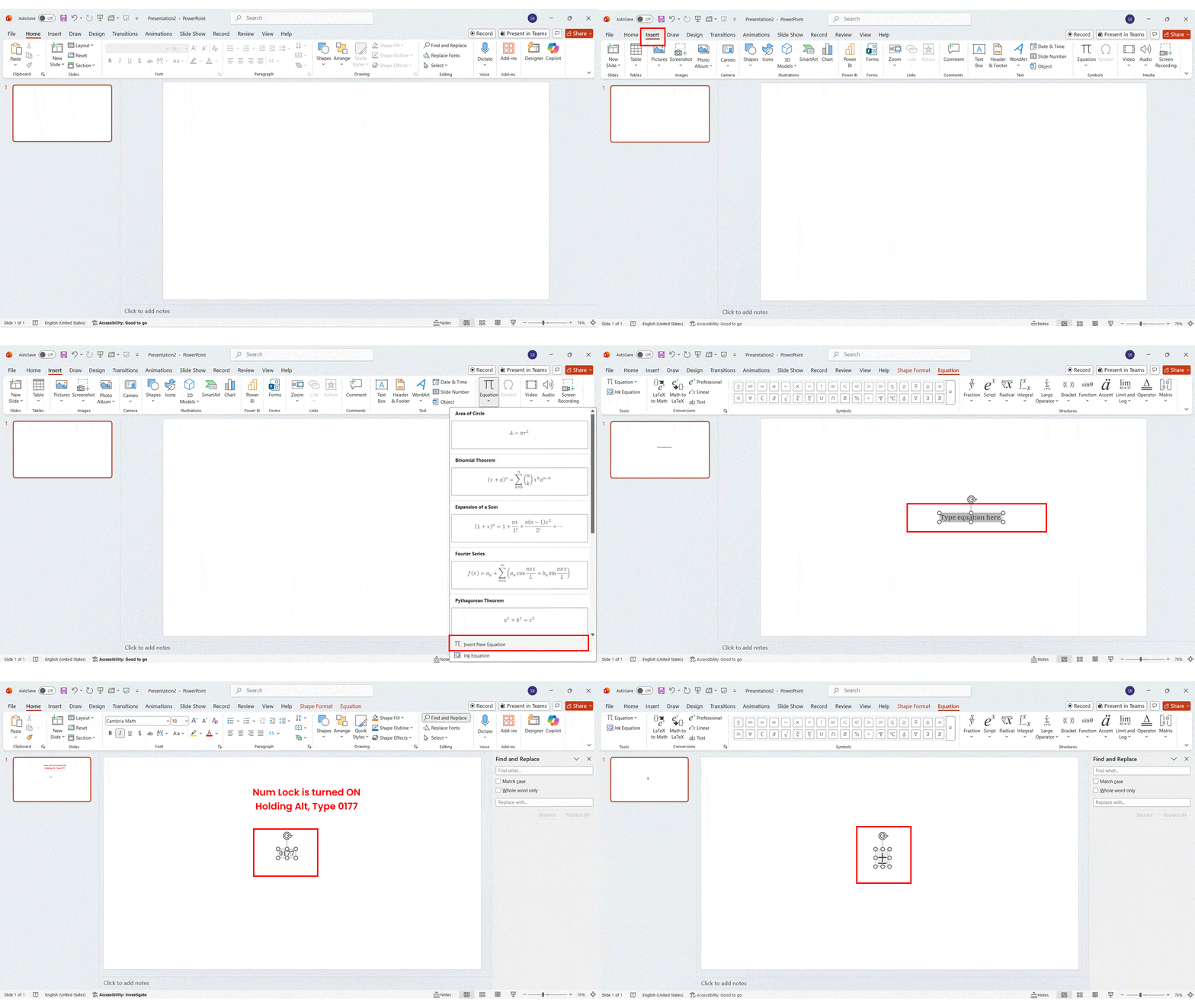
For Windows (Using Numeric Keypad)
- Step 1: Click where you want to insert the ± symbol.
- Step 2: Make sure Num Lock is turned ON.
- Step 3: Hold down the Alt key.
- Step 4: While holding Alt, type 0177 on the numeric keypad (not the number keys above the letters).
- Step 5: Release the Alt key. The ± symbol will appear instantly.
Note: These PowerPoint shortcuts work only if your keyboard has a dedicated numeric keypad.
For Mac
- Step 1: Place your cursor where you want the symbol.
- Step 2: Press Option (⌥) + Shift + = at the same time.
- Step 3: The ± symbol will appear immediately.
This shortcut works on all standard Mac keyboards.
Method 2: Accessing PowerPoint’s Symbols Menu
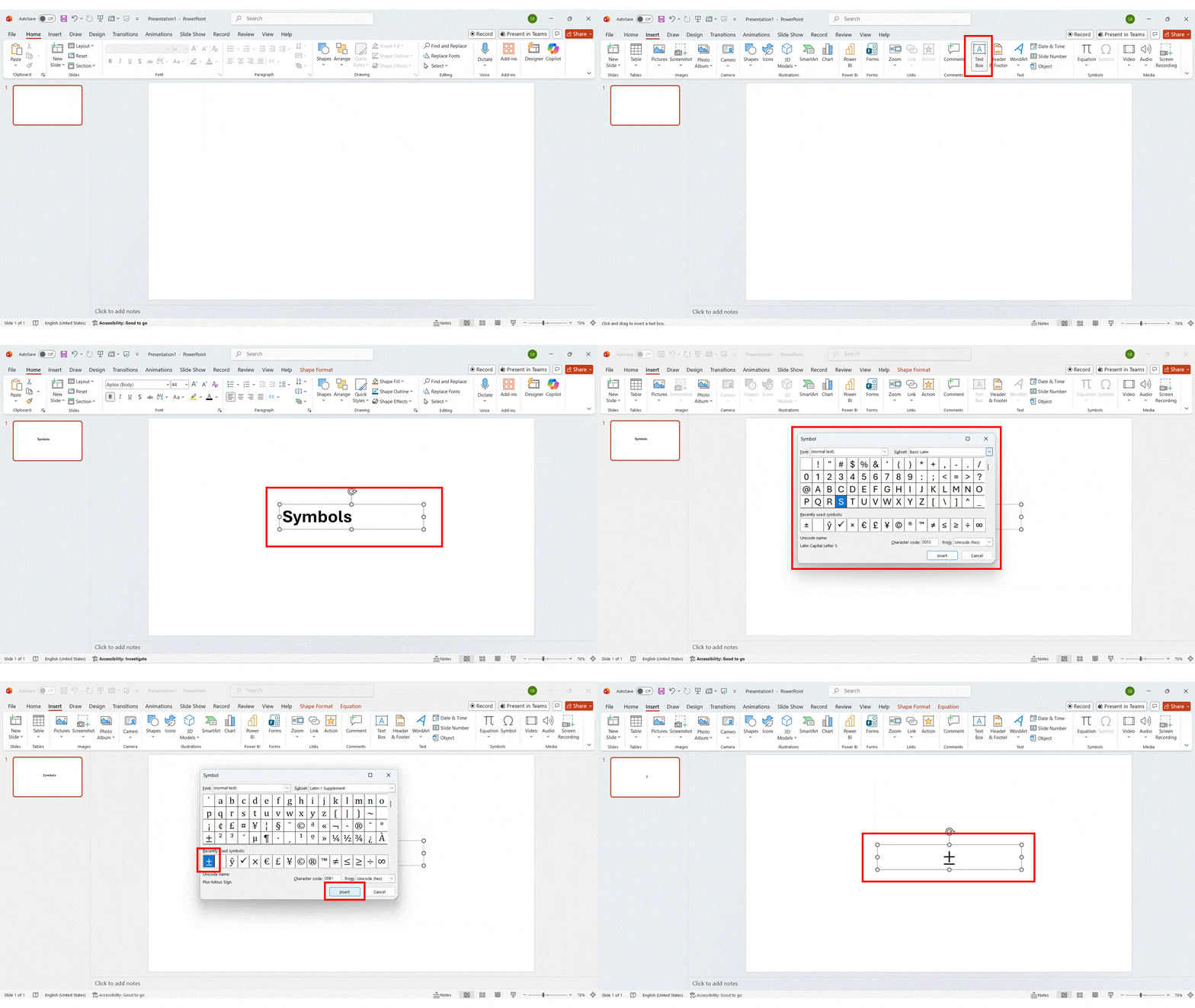
If your keyboard doesn’t have a numeric keypad or you prefer a manual method, use PowerPoint’s built-in Symbols menu.
- Step 1: Open your PowerPoint slide and click where you want the symbol.
- Step 2: Go to the Insert tab in the top ribbon.
- Step 3: Click on Symbol (usually on the right side of the ribbon).
- Step 4: In the Symbol dialog box, select a standard font like (Normal Text) or Calibri.
- Step 5: Scroll through the list or choose Subset: Latin-1 Supplement to find the ± symbol quickly.
- Step 6: Click the ± symbol.
- Step 7: Click Insert, then Close.
This method works on both Windows and Mac versions of PowerPoint and is ideal if shortcuts aren’t available.
Additional Methods to Insert the ± Sign in PowerPoint Presentations
If you don’t want to use shortcuts or the Symbols menu, there are simpler ways to add the ± symbol in PowerPoint. These methods are quick, beginner-friendly, and work on both Windows and Mac.
Copy and Paste Techniques for the Plus Minus Character
Copy and paste is the easiest method—no special keys or settings needed. It’s perfect if you only need the symbol occasionally.
Step 1: Copy this symbol: ±
Step 2: Open your PowerPoint slide.
Step 3: Click where you want to insert it.
Step 4: Press:
- Ctrl + V (Windows)
- Command + V (Mac)
That’s it. The symbol will appear instantly.
Tip: You can copy the ± symbol from a website, Word document, or another slide and reuse it anytime.
Creating Equation Elements and Custom Shapes with ±
If you’re working with numbers or formulas, you can insert the ± symbol using PowerPoint’s Equation tool or inside shapes for design purposes.
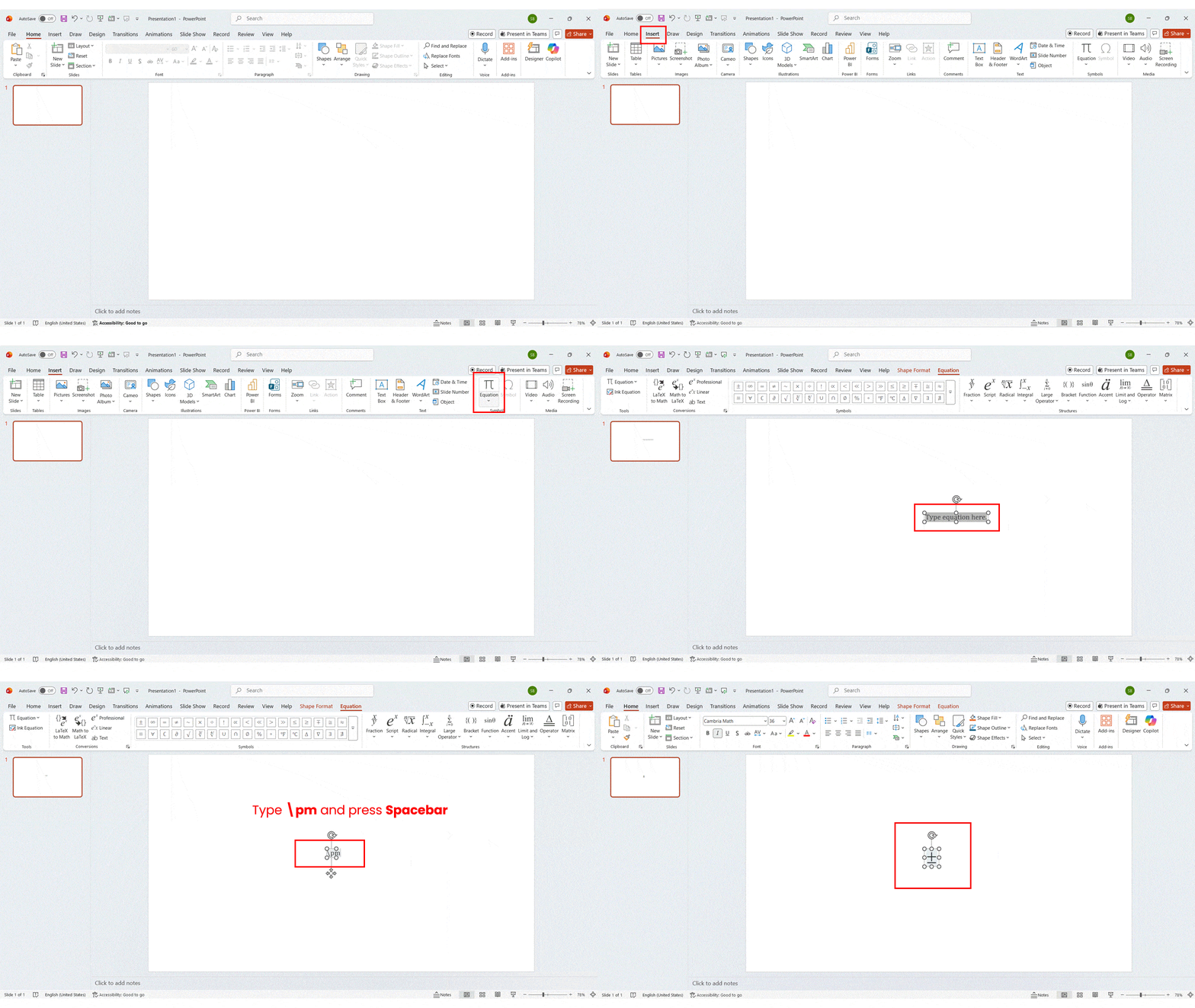
Method 1: Using the Equation Tool
Step 1: Click where you want the symbol.
Step 2: Go to the Insert tab.
Step 3: Click Equation.
Step 4: Type \pm and press Spacebar.
PowerPoint will automatically convert it into ±. This works on both Windows and Mac.
Method 2: Adding ± Inside a Shape
Step 1: Go to Insert → Shapes.
Step 2: Choose a shape and draw it on your slide.
Step 3: Click inside the shape.
Step 4: Insert the ± symbol using:
- Alt + 0177 (Windows with numeric keypad)
- Option + Shift + = (Mac)
- Or simply paste ±
You can resize and style it to match your slide design.
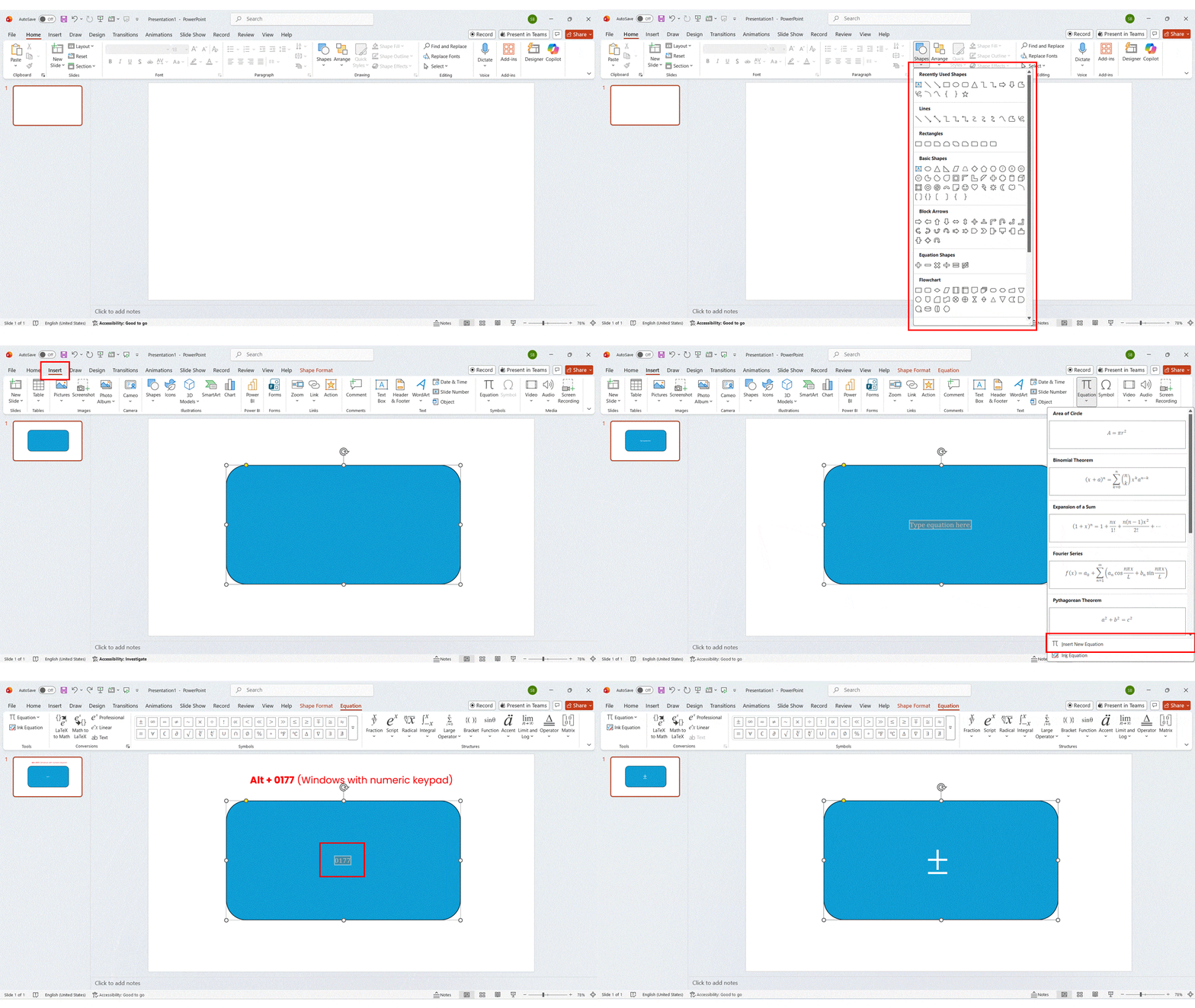
This method is great for highlighting comparisons, pros and cons, or positive and negative values visually.
Working in Google Slides? Check out our detailed list of Google Slides shortcuts to speed up editing and formatting.
Conclusion
In conclusion, adding the plus or minus symbol in PowerPoint is a small skill with a big impact. It helps your data look clear, accurate, and professionally formatted. Once you know the different methods, you won’t waste time searching again. You can choose shortcuts, menu options, or simple alternatives based on your device. Mastering small details like this makes your presentations stronger and more polished.
FAQs
-
Is there a difference between adding the plus minus sign in PowerPoint versus Word or Excel?
There is no major difference when adding the plus minus sign in PowerPoint, Word, or Excel. The plus minus keyboard shortcut works the same across Microsoft Office apps. On Windows, use Alt + 0177 (numeric keypad required), and on Mac, press Option + Shift + =. The shortcut for plus minus symbol is consistent, so once you learn how to make plus minus sign in one app, you can use the same plus minus shortcut in others.
-
How can I use plus minus symbols to display pros and cons in a PowerPoint presentation?
You can use the ± sign to visually represent pros and cons in comparison slides, summary tables, or decision charts. Place the plus side for benefits and the minus side for drawbacks to keep your layout clean and balanced. Simply insert it using the plus minus symbol shortcut or learn how to get plus or minus symbol from the Insert → Symbol menu. This makes your pros and cons slides look more structured and professional.
-
How can I insert a plus or minus symbol (±) in PowerPoint slides?
You can insert the ± symbol in PowerPoint using several simple methods:
- Use a Keyboard Shortcut (Windows): Press Alt + 0177 on the numeric keypad.
- Use a Keyboard Shortcut (Mac): Press Option + Shift + =.
- Insert from the Symbols Menu: Go to Insert → Symbol → Select ± → Insert.
- Use the Equation Tool: Go to Insert → Equation, type \pm, and press Spacebar.
- Copy and Paste: Copy the ± symbol and paste it directly into your slide.
Choose the method that works best for your device and workflow.
-
What are the keyboard shortcuts for typing the plus minus sign in PowerPoint?
You can quickly type the plus and minus sign in PowerPoint using these keyboard shortcuts:
- Windows Shortcut: Hold Alt and type 0177 on the numeric keypad to insert the symbol for plus and minus (±).
- Mac Shortcut: Press Option + Shift + = to type the plus and minus sign instantly.
- Using Equation (LaTeX Style): Go to Insert → Equation, type \pm (this is plus minus LaTeX), and press Spacebar.
- Alternative Symbol Style: If you need the plus over minus sign (∓), insert it from the Insert → Symbol menu.
These shortcuts help you add the correct mathematical symbol quickly and professionally.
-
Is there a way to copy and paste the plus minus character directly into a PowerPoint text box?
Yes, you can easily copy and paste the ± symbol into PowerPoint. Here’s how:
- Copy the Symbol: Copy this character ± from a website, document, or here.
- Paste into PowerPoint: Click inside a text box and press Ctrl + V (Windows) or Command + V (Mac).
- Use Alt Code Instead (Windows): Type Alt + 0177 using the numeric keypad (this is the plus minus alt code or plus minus symbol alt code).
- Insert via Equation (LaTeX Style): Go to Insert → Equation, type \pm (known as latex plus minus), and press Spacebar.
Copy-paste is the quickest method if you only need the symbol occasionally.
-
Can I add a plus minus sign inside a solid circle in PowerPoint?
Yes, you can easily place a plus/minus symbol inside a solid circle shape in PowerPoint. Follow these steps:
- Insert a Circle: Go to Insert → Shapes → Oval, then draw a circle while holding Shift.
- Make It Solid: Use Shape Fill to choose a solid color and adjust Shape Outline if needed.
- Add the Symbol: Click inside the circle and insert the symbol using Alt + 0177 (this is the plus or minus symbol alt code on Windows) or Option + Shift + = on Mac.
- Use Equation Option: Go to Insert → Equation, type \pm (known as plus minus symbol LaTeX), and press Spacebar.
- Format the Text: Increase font size and center-align the symbol for a clean look.
This method works well for icons, comparison slides, or visual highlights.
-
Where do I find the plus minus symbol in the PowerPoint symbols menu?
You can find the symbol for plus and minus in PowerPoint by going to Insert → Symbol in the ribbon. In the Symbol dialog box, choose a standard font like Calibri or (Normal Text), then look under the Subset: Latin-1 Supplement category. Scroll until you see the plus and minus sign (±), select it, and click Insert. This method works on both Windows and Mac versions of PowerPoint.
-
How do I use the plus minus symbol for equations in PowerPoint presentations?
You can use the symbol for plus or minus in equations easily with these methods:
- Use the Equation Tool: Go to Insert → Equation, type \pm, and press Spacebar to insert the symbol inside a formatted equation.
- Use the Plus Minus Symbol Keyboard Shortcut (Windows): Press Alt + 0177 on the numeric keypad to add it directly.
- Use the Mac Shortcut: Press Option + Shift + = to insert it instantly.
- Add as Plus-Minus Symbol Text: You can also paste ± into a text box if you don’t need full equation formatting.
- Format or Clarity: Adjust font size and alignment to match the rest of your equation.
These options help you present equations clearly and professionally in PowerPoint.
-
Are there font options in PowerPoint that include the plus minus symbol?
Yes, most standard fonts in PowerPoint include the plus minus symbol. Fonts like Calibri, Arial, Times New Roman, and Cambria support the ± character. You can find it through Insert → Symbol and switch between fonts if needed. If you are using equations, typing \pm (known as plus minus sign LaTeX) will automatically generate the symbol. Some fonts also include the plus over minus symbol (∓), which you can select from the Symbols menu.
-
Can the plus minus sign be formatted in different colors or sizes in PowerPoint?
Yes, the plus minus sign can be formatted just like any other text in PowerPoint. Simply select the ± symbol and change the font size, color, or style from the Home tab. You can make it bold, italic, increase its size, or match it with your brand colors. If it’s inside a shape or equation, you can still adjust formatting for better visibility and design consistency.
Table Of Content




Related posts from the same category

26 Mar, 2026 | SlideUpLift
How to Curve Text in Google Slides (5 Methods That Actually Work)
Introduction Can you curve text in Google Slides? It is one of the most common questions people ask when trying to make their presentations look more polished and designed. The

24 Mar, 2026 | SlideUpLift
How to Wrap Text in Google Slides — 4 Methods That Actually Work
Learn how to wrap text in Google Slides with simple step-by-step methods to align text around images and create clean, professional layouts. This guide explains practical workarounds since Google Slides

20 Mar, 2026 | SlideUpLift
How to Add Annotations in PowerPoint: The Complete Step-by-Step Guide
This blog explains how to add real-time annotations in PowerPoint presentations using tools like the pen, highlighter, and laser pointer to make slides more interactive and engaging. It provides step-by-step

17 Mar, 2026 | SlideUpLift
How to Create a Project Presentation That Gets Stakeholder Approval
In any business environment, the ability to create a project presentation that actually moves people — securing approvals, aligning teams, and building client confidence — is one of the most
16 Mar, 2026 | SlideUpLift
How to Convert PowerPoint to Google Slides?
This blog explains how to convert PowerPoint to Google Slides using simple step-by-step methods like uploading PPT files to Google Drive or importing them directly into Slides. It helps users

13 Mar, 2026 | SlideUpLift
How to Play Video in PowerPoint Across Single and Multiple Slides
This blog explains how to play a single video across multiple slides in PowerPoint using simple animation and playback settings. It walks through the step-by-step process of inserting the video,

11 Mar, 2026 | SlideUpLift
How to Hide a Slide in Google Slides: Complete Guide
Learn how to hide and unhide slides in Google Slides without deleting them in this step-by-step guide. The blog explains simple methods like using the Skip Slide option, toolbar, and

9 Mar, 2026 | SlideUpLift
How to Hide and Unhide Slides in PowerPoint (Complete Guide)
This blog explains how to hide and unhide slides in Microsoft PowerPoint so you can skip certain slides during a presentation without deleting them. It covers why the hide slide

5 Mar, 2026 | SlideUpLift
Quarterly Business Review (QBR): What It Is, Examples & How to Present One
A QBR, or quarterly business review, is a strategic meeting held every three months to evaluate business performance, review key metrics, and align on goals for the next quarter. QBRs

4 Mar, 2026 | SlideUpLift
What Is a Product Roadmap? A Complete Guide With Types, Examples, and Templates
Every product starts with an idea. Turning that idea into a shipped, successful product requires coordination across design, engineering, marketing, sales, and leadership. A product roadmap is the strategic tool
27 Feb, 2026 | SlideUpLift
How To Broadcast a PowerPoint Presentation Online [6 Working Methods]
If you have been looking for a way to broadcast a PowerPoint presentation online to a remote audience, you have probably run into tutorials that tell you to click Slide
27 Feb, 2026 | SlideUpLift
How to Change Transparency in PowerPoint (Step-by-Step Guide)
Learn how to use transparency in Microsoft PowerPoint to adjust the opacity of images, shapes, and text for cleaner, more professional slide designs. This step-by-step guide explains how to change

24 Feb, 2026 | SlideUpLift
Which Program Is Used to Open PPTX Files: Complete Guide
This blog explains which program is used to open PPTX files and how to view or edit presentations on Windows, Mac, and mobile devices. It covers tools like Microsoft PowerPoint,

20 Feb, 2026 | SlideUpLift
How to Create Engaging Academic Presentations: 10 Expert Tips + Templates
This blog is a complete guide on how to create engaging academic presentations, offering 10 expert tips for structuring content, designing slides, and delivering with confidence. It covers common mistakes

20 Feb, 2026 | SlideUpLift
How to Make Google Slides Play Automatically On A Loop? (Step-by-Step Guide)
This blog explains how to make presentations in Google Slides play automatically and loop without manual clicks. It covers clear step-by-step methods using auto-advance timings and the Publish to Web
18 Feb, 2026 | SlideUpLift
How to Copy a Slide in Google Slides: Step-by-Step Guide
Learn how to duplicate, copy, and paste a slide in Google Slides using simple, step-by-step methods. This guide covers desktop shortcuts, right-click options, toolbar methods, and mobile steps for Android

17 Feb, 2026 | SlideUpLift
How to Round Corners in Google Slides: Complete Guide
Learn how to round corners in Google Slides using both the simple yellow handle method and the advanced Edit Points feature. This guide explains how to adjust the corner radius,
10 Feb, 2026 | SlideUpLift
How To Convert Google Slides Into PDF: Quick & Easy Guide
This guide explains how to convert Google Slides into a PDF quickly and without formatting issues. It covers saving slides with or without speaker notes and methods for desktop and

6 Feb, 2026 | SlideUpLift
How To Make A Professional PowerPoint Presentation With Practical Tips
This blog shows how to make professional presentations with clear structure, engaging visuals, and effective delivery. It highlights using AI tools like ChatGPT and Copilot with ready-made templates to quickly

4 Feb, 2026 | SlideUpLift
How to Write a Sales Pitch That Captures Attention and Converts Leads
This SlideUpLift guide explains how to write an effective sales pitch by identifying your target audience, highlighting your unique value, focusing on benefits over features, and structuring a persuasive presentation

30 Jan, 2026 | SlideUpLift
Sales Presentation: A Complete Guide to Structure, Examples, and Best Practices
This blog is a complete guide to building a high-impact sales presentation, covering everything from structure and slide selection to delivery and follow-up. It explains what makes sales presentations effective,
28 Jan, 2026 | SlideUpLift
Types of Slides That Make Presentations Clear, Engaging, and Impactful
This blog explains why choosing the right slide types is essential for clear, engaging presentations. It covers the most important PowerPoint slide types, when to use them, and how they
23 Jan, 2026 | SlideUpLift
How to Rotate a Slide in PowerPoint: Complete Guide
This blog explains how to rotate slides in PowerPoint using all practical methods, including changing slide orientation, rotating objects, and handling single-slide workarounds. It also covers professional solutions for mixing

21 Jan, 2026 | SlideUpLift
What Is 6×6 Rule in PowerPoint? Complete Guide To Improve Slides
This blog explains what is 6x6 Rule in PowerPoint and how it improves slide clarity and readability. It shows how to apply the rule, avoid common mistakes, and compare it
19 Jan, 2026 | SlideUpLift
How to Add Footnotes in PowerPoint: A Step-by-Step Guide
Adding footnotes in PowerPoint helps you cite sources and add context without overcrowding your slides. Since PowerPoint doesn’t offer an automatic footnote feature, footnotes are created manually using text boxes

16 Jan, 2026 | SlideUpLift
How To Merge PowerPoint Presentations Using Simple Methods and a Free Tool
Learn how to merge PowerPoint presentations quickly and easily using manual methods or a free merge PPT tool. Keep slides, formatting, animations, and transitions intact while creating polished, professional decks.

14 Jan, 2026 | SlideUpLift
How to Create a McKinsey-Style Presentation: The Complete Guide (2026)
Creating presentations that rival McKinsey's legendary clarity and impact isn't about copying slides—it's about mastering a communication philosophy that transforms complex ideas into actionable insights. Whether you're pitching to executives,

14 Jan, 2026 | SlideUpLift
How to Add a Timer to Google Slides: Step-by-Step Guide
This blog walks you through how to add a timer to Google Slides using simple, practical methods that actually work. It covers Auto-play timing, visible countdown timers, videos, and add-ons,

8 Jan, 2026 | SlideUpLift
How to Prepare for a Presentation: A Simple Guide for Beginners
This blog explains how to prepare for a presentation step by step. It covers goal setting, content structuring, slide design, practice, and handling questions. Beginners can also learn common challenges,

6 Jan, 2026 | SlideUpLift
Presentation Tips for Structuring Messages and Effective Storytelling
This blog breaks down practical presentation tips to help you plan, design, and deliver slides that truly stand out. It covers how to simplify text, use visuals effectively, and maintain

9 Dec, 2025 | SlideUpLift
How to Change a PowerPoint Template – Quick Step-by-Step Guide
This blog shows how to change or update a PowerPoint template to give your slides a fresh, professional design without losing your content. It walks through step-by-step actions in the

4 Dec, 2025 | SlideUpLift
The 5-5-5-Rule-of-PowerPoint: Your Guide to Effective Design
Introduction Have you ever seen a PowerPoint presentation with too much information on the slide? The problem with today’s presentations is that they draw attention away from the actual content,

12 Nov, 2025 | SlideUpLift
How to Create a Heat Map in PowerPoint: Beginner-Friendly Guide
Heat maps are one of the easiest ways to turn rows of numbers into visuals people understand quickly. In this blog, you will learn what a heat map is, in

6 Nov, 2025 | SlideUpLift
How to Add Transitions in PowerPoint: Complete Step-by-Step Guide
Do you want to create a seamless flow in your PowerPoint slides and make a strong impression? While adding transitions to PowerPoint slides might seem obvious, transitions are the key

4 Nov, 2025 | SlideUpLift
How to Use Morph in PowerPoint: The Ultimate Guide to Smooth Transitions
If you’ve ever watched a presentation where shapes flow smoothly, images glide effortlessly, and text elegantly shifts between slides, you’ve witnessed the power of Morph in PowerPoint. This feature is
30 Oct, 2025 | SlideUpLift
How To Make A Graph In PowerPoint: Step-by-Step Guide
The goal of impactful graphs is not simply to convey data; rather, it is to tell a story with data that has meaning to the audience. Graphs and charts can

13 Oct, 2025 | SlideUpLift
How to Write a Business Case: A Beginner’s Guide + Examples
Every project needs a passport to get through executive approval. Without it, even the best plans can get grounded before taking off. This very piece of evidence holds the power

10 Oct, 2025 | SlideUpLift
What Is A Project Charter? Definition, Examples & Best Practices
Launching a project without adequate planning can result in confusion, delays, and misaligned expectations. A project charter is a key document in the project documentation process that lays the groundwork

8 Oct, 2025 | SlideUpLift
How to Insert Emoji in Google Slides & PowerPoint for Fun, Eye-Catching Slides
Have you ever thought about how a simple emoji can change the mood or tone of your presentation? You could use a smiley face 😊, that would certainly lighten the
1 Oct, 2025 | SlideUpLift
Insert Calendar In PowerPoint And Google Slides: Quick Guide For Smarter Planning.
Do you want your presentations to be more organized, attractive, and professional? Learning how to add a calendar in PowerPoint or Google Slides will take boring schedules and deadlines and

26 Sep, 2025 | SlideUpLift
What Is a PPTX File? Think of It as PowerPoint 2.0
PowerPoint presentations are everywhere — from boardrooms to classrooms — and behind every great slide deck is the PPTX file. It’s not just some random presentation software and powerpoint file

17 Sep, 2025 | SlideUpLift
Google Slides Strikethrough: Cross Out The Old And Spotlight The New
Ever wished you could just cross something out instead of deleting it? You know, like putting a big line through “boring idea” and replacing it with “brilliant plan”. That’s the
12 Sep, 2025 | SlideUpLift
What is KPI? Step-by-Step Guide with KPIs Examples That Work
Is it hard for you to know if your business is getting to the level it should be? That's where key performance indicators (KPIs) come into play. KPIs indicate how

10 Sep, 2025 | SlideUpLift
Best Fonts For PowerPoint Presentation: The Runway Of Letters
Imagine this: your presentation is a red-carpet event. Your slides are the guests, the content is the message, and the font? That is the outfit; the one builds up the

10 Sep, 2025 | SlideUpLift
Advantages and Disadvantages of Microsoft PowerPoint: Pros, Cons, and AI Features Explained
PowerPoint has been the go-to tool for presentations for decades—but is it keeping up with today’s fast-paced, AI-driven world? PowerPoint makes it easy to take ideas to slides, whether you're

5 Sep, 2025 | SlideUpLift
10 Virtual Meeting Etiquette Rules for Professionals
Introduction Virtual meetings and online meetings are the new normal for remote work teams everywhere. Whether you're chatting with co-workers, giving a client presentation, or taking part in a hybrid

3 Sep, 2025 | SlideUpLift
How to Add Watermark in PPT Like a Pro: Step-by-Step Tutorial
Every presentation tells a story, but it should also say who it belongs to, right? And if we tell you that there is a way to stamp your identity on

29 Aug, 2025 | SlideUpLift
30+ ChatGPT Presentation Prompts To Create Impactful Presentations
Creating presentations can be challenging. It takes a lot of time and effort to conduct research, write the text, format the slides, add photos, and practice. But, what if AI

29 Aug, 2025 | SlideUpLift
Microsoft Copilot vs ChatGPT-4 Showdown: Who’s Got the Edge?
Not long ago, making a presentation meant spending hours and hours writing content, formatting slides, finding visuals, and tweaking layouts. Tools like PowerPoint and Google Slides gave us templates, but

29 Aug, 2025 | SlideUpLift
10 Best Presentation Software: In-Depth Comparison Guide
The fact is, giving a great presentation is not only about how you choose your words, but rather involves expressing those very words. With the right PowerPoint presentation software, you

28 Aug, 2025 | SlideUpLift
Password Protect PPT: How To Secure Your Presentations (Easy Guide)
Have you ever shared a PowerPoint and then worried, “What if someone changes my slides?”, or even worse, “What if the wrong person opens it and leaks the content?”. Frustrating,

26 Aug, 2025 | SlideUpLift
Track Changes In PowerPoint And Keep Your Team In Sync
Ever spent hours perfecting a PowerPoint, way too much time that you then forget to track who made what change? You aren't alone. Unfortunately, unlike Word or Gmail slides, PowerPoint
14 Aug, 2025 | SlideUpLift
How to Make a Curved Arrow in PowerPoint? A Detailed Guide
Think of your presentation as a journey. On a slide, you have the ideas stacked up, but there is no way you are understanding what is connected to the next.

13 Aug, 2025 | SlideUpLift
How To Create Infographics In PowerPoint For Smarter Visual Storytelling?
As a professional, you might have to host meetings and deliver presentations to your stakeholders and team members. As a host, it's crucial to deliver presentations in a way that

6 Aug, 2025 | SlideUpLift
How To Edit Footer In PowerPoint For Consistent Presentation Design
Footers are an important part of a PowerPoint presentation. They give the same footer text, like the date or slide numbers, on all slides. This helps people understand the talk

31 Jul, 2025 | SlideUpLift
Google Slides vs PowerPoint: A Complete Comparison Guide
Introduction Stuck deciding between Google Slides and PowerPoint for your next big presentation? Yeah, we've been there too. Both pack a punch with features, leaving you wondering: "Which one will

25 Jul, 2025 | SlideUpLift
How Many Slides For A 30 Minute Presentation? Timing, Tips, and Structure
One of the biggest challenges in presentations is staying on time. Whether it’s 5 minutes or 45, running over means rushing key points or losing your audience. Here’s the good

21 Jul, 2025 | SlideUpLift
PowerPoint Slide Size 101: Why It Matters More Than You Think
Imagine crafting the perfect slide, visuals on point, text crisp, animations smooth. But when you present, the content looks off. Cropped images, awkward white spaces, or text running off the

15 Jul, 2025 | SlideUpLift
Google Slides Shortcuts Cheat Sheet To Boost Workflow
Google Slides is already a go-to tool for everything. From classroom projects to business decks and online workshops. It is a one-stop platform to create and share your ideas, thoughts,

7 Jul, 2025 | SlideUpLift
PowerPoint Shortcuts You’ll Wish You Knew Sooner (Beginner to Pro Guide)
PowerPoint is one of the most powerful tools for creating presentations. However, working in PowerPoint can become time-consuming, especially when you have to click through menus for every small task.

4 Jul, 2025 | SlideUpLift
Why Your Conclusion Slide Matters—And How To Get It Right
Picture this: You've delivered an amazing presentation. Great start solid middle... but then... the ending just... flops. The energy drains. People shuffle out, already thinking about lunch. Sad, isn't it?
3 Jul, 2025 | SlideUpLift
How to Change Text Color in Google Slides for Maximum Impact – Quick Guide
Using Google Slides to build presentations is now widely practiced across the digital world. It is clean, collaborative, and performs its tasks fairly well. Be it a business pitch, a

30 Jun, 2025 | SlideUpLift
A Simple Guide On How To Change Margins In PowerPoint
Margins—those often-overlooked borders framing your slides—play a crucial role in creating polished, professional presentations. Adjusting margins helps you control your layout. This is important for printed handouts and projections. It

13 Jun, 2025 | SlideUpLift
Org Chart in PowerPoint: Simplify Complex Team Structures with Smart Visuals
Without a clear org chart, even small teams feel messy. People start asking: “Who’s responsible for what?” Whether you are a manager, HR professional, or team lead, explaining the team

12 Jun, 2025 | SlideUpLift
Create An Org Chart in Google Slides: A Step-by-Step Guide
Want to map out any type of organizational structure—whether it's a company, project team, or even a hierarchy? An org chart helps visualize relationships between roles, departments, or functions in

28 May, 2025 | SlideUpLift
Beginner’s Guide: How To Make A Venn Diagram In Powerpoint
What Is A Venn Diagram? In today’s fast-paced business world, clarity is currency, and Venn diagrams deliver just that. Whether you're analyzing market segments, comparing competitors, or aligning team strategies,

27 May, 2025 | SlideUpLift
How to Create a Roadmap Diagram in PowerPoint? (Step-by-Step Guide)
Need to build a professional roadmap slide for your next presentation? You are in the right place. This tutorial walks you through every method for creating a roadmap diagram in

14 May, 2025 | SlideUpLift
How To Crop A Picture Into A Circle In The Presentation: Step-By-Step Guide
Ever found the perfect image for your presentation, but it just doesn’t look right in that boring rectangle frame? We’ve all been there. Whether you're trying to make your slides

25 Jun, 2024 | SlideUpLift
Best PowerPoint Color Palettes for 2026 (Trends, Examples & Psychology)
This blog covers the best PowerPoint color palettes and how the right colors boost clarity, engagement, and professionalism. It includes ready-to-use palettes with Hex codes for different presentation types. The

24 Jan, 2024 | SlideUpLift
What Is a Project Roadmap? A Complete Guide With Examples and Free Templates
This blog explains what a project roadmap is and how it helps define goals, timelines, and key milestones. It covers different roadmap types and how to create them. The guide
1 Sep, 2022 | SlideUpLift
How To Group & Ungroup In Google Slides (Step-by-Step Guide)
This blog walks you through how to group and ungroup elements in Google Slides in a simple, practical way. It covers grouping images, shapes, text boxes, and objects, along with